
What Must Be in Place Before We Listen? Questioning the Preconditions for a "Participatory Society" from the Field


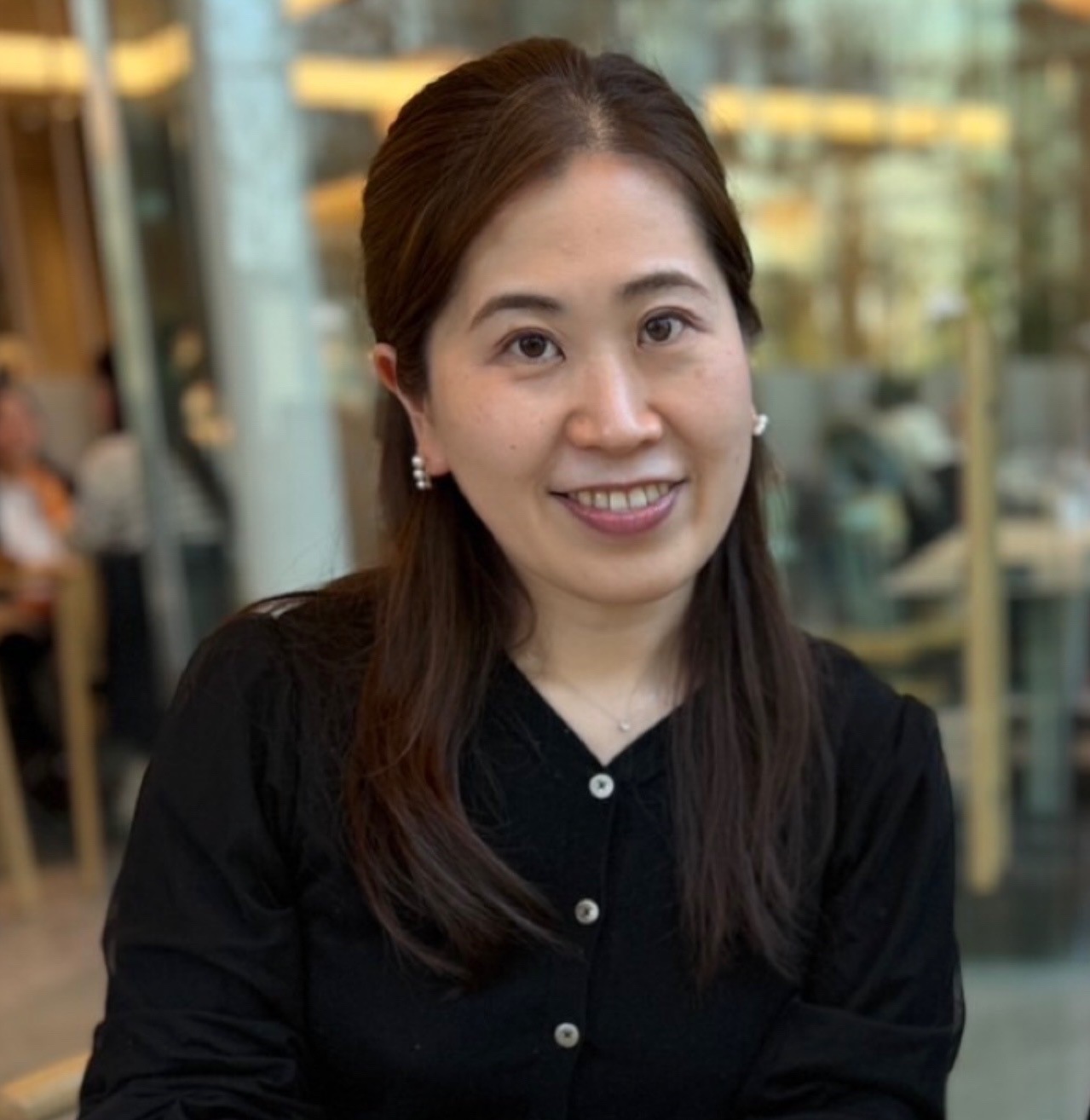
Discussions of broad listening and digital democracy tend to drift toward technical questions of "which tool, used how." But what practitioners repeatedly run into in the field is that the preconditions prior to any tool are not yet in place. This session digs into that precondition — what actually makes a "participatory society" possible in the first place — from the vantage points of local government and young people on the ground. Rather than a venue for handing down conclusions, we hope it will be a time for participants to leave with a "question" to bring back to their own work.
The discussion is organized around the three elements of the "architecture of participation" laid out in the Broad Listening book: (1) making good use of existing mechanisms; (2) attention to workflow as a process of handling and processing information; and (3) facilitation that leverages digital tools. Our position is that whether these three are in place on the ground — more than skill in the technique of "listening" itself — is what determines whether participation succeeds.
Moving between real changes seen among residents in local government settings (unexpected voices, and words that mean different things across generations), the experience of young people going out to listen to the raw voices of their peers, and the example of Barcelona’s participatory budgeting reaching those who "don’t normally have a voice," we will revisit, together with the audience, the questions "what must we put in place before we listen?" and "is this designed so that everyone can participate?"
This is a panel discussion where municipal officials, elected representatives, researchers, and civic-tech practitioners — each coming from a different position — can each leave with concrete leads to act on before introducing any technology.
Session times, rooms, and speakers are subject to change.
← Back to program